
The Evolution of Toy Kitchens: A Historical Perspective
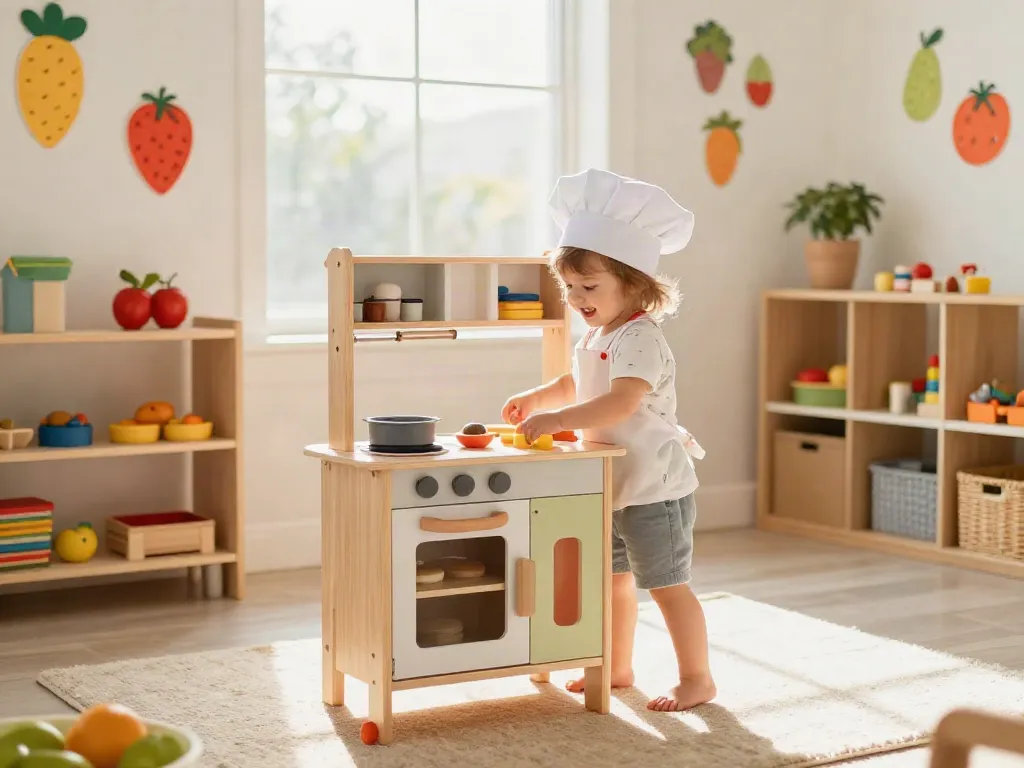
Toy kitchens have come a long way since their inception, evolving not only in design but also in the incredible impact they have on children's development. Originally simple wooden constructions, these playsets have morphed into sophisticated, interactive replicas of real kitchens found in homes today. The transformation highlights the importance of imaginative play and its role in children's growth.
In exploring options for a toy kitchen, one can appreciate the sheer variety available, which not only appeals to children’s creativity but also reflects societal changes in how we view play and learning.
Origins of Toy Kitchens and Their Cultural Significance
The concept of toy kitchens dates back to the early 20th century, with initial designs focusing primarily on wooden playsets that resembled the kitchens of the era. These early models fostered imaginative play, allowing children to engage with domestic roles traditionally associated with adulthood. Throughout history, toy kitchens have held cultural significance, often mirroring the kitchen's role within family dynamics, highlighting the value placed on nurturing and creativity in child development.
How Toy Kitchens Have Changed Over the Decades
As society progressed, so did the designs and materials used in toy kitchens. The mid-20th century saw a shift towards plastic, making toys more affordable and accessible. Modern-day toy kitchens are often equipped with features such as lights, sounds, and interactive elements, reflecting technological advancements and children’s evolving play needs. These enhancements not only elevate the play experience but also serve educational purposes, promoting skills like problem-solving and teamwork.
Influence of Educational Trends on Toy Kitchen Design
Recent educational philosophies have highlighted the importance of play in learning, influencing toy kitchen designs significantly. Today's playsets often incorporate STEM (science, technology, engineering, and mathematics) principles, encouraging children to explore concepts like measurement and spatial awareness. This educational integration ensures that while children indulge in imaginative play, they are simultaneously developing critical life skills.
Current Trends in Toy Kitchen Designs (2026)
In 2026, toy kitchen designs are more innovative than ever, incorporating a variety of materials and features. As parents seek out engaging and educational toys, manufacturers are responding with products that cater to these demands.
Popular Materials: From Plastic to Eco-Friendly Options
Today’s toy kitchens are crafted from a diverse array of materials. While plastic remains a popular choice due to its durability and vibrant colours, there is a significant movement towards eco-friendly options. Many brands now offer kitchens made from sustainably sourced wood or recycled materials, aligning with growing environmental awareness among consumers. This shift not only appeals to eco-conscious parents but also instills values of sustainability in children.
Incorporation of Technology: Smart Kitchens for Kids
The integration of technology is another key trend. Smart kitchens that connect to apps can provide interactive cooking experiences, allowing children to follow recipes step-by-step. These technological features enhance engagement and make playtime more educational, as children learn to follow instructions and understand basic culinary concepts in a fun, interactive manner.
Design Aesthetics: Balancing Fun and Realism
Modern toy kitchens visually appeal to both children and parents. With designs that mimic contemporary kitchen aesthetics—complete with realistic colours, textures, and accessories—manufacturers strive to create a sense of realism in play. This balance between fun and authenticity not only captivates children's imaginations but also encourages them to explore their surroundings and the culinary arts.
Benefits of Play Kitchen Sets for Child Development
The advantages of play kitchens extend beyond mere entertainment. They contribute significantly to various aspects of child development, underlining their importance in homes across the globe.
Enhancing Creativity and Imagination
Toy kitchens are a haven for creativity. They invite children to invent scenarios, experiment with different play roles, and express their thoughts and feelings through imaginative play. This process of role-playing enhances cognitive development, as children learn to think critically and develop narratives around their play.
Improving Social Skills Through Role Play
When children engage in group play with toy kitchens, they practice essential social skills such as sharing, cooperation, and communication. These interactions help them learn to work together, negotiate roles, and solve conflicts, all of which are vital skills for their future social environments.
Developing Fine Motor Skills and Coordination
Using the various tools and accessories associated with toy kitchens helps children develop fine motor skills and coordination. Tasks such as chopping, stirring, and arranging food items require dexterity and control, thereby enhancing their physical abilities through playful, hands-on experiences.
Choosing the Right Toy Kitchen for Your Child
Selecting the perfect toy kitchen requires careful consideration of several factors to ensure it meets the needs and preferences of your child.
Age Appropriateness: What to Look For
When choosing a toy kitchen, it's crucial to consider the appropriate age range. Some kitchens are designed for toddlers, featuring simplified designs and fewer small parts, while others cater to older children, complete with complex features and interactive elements. Understanding your child’s developmental stage will help you select a toy that is both safe and engaging.
Features to Consider: Size, Accessories, and Functionality
Assessing the size of the toy kitchen is essential, especially if space is a concern. Additionally, consider the accessories included with the kitchen set. Features such as play food, utensils, and kitchen appliances can enhance the play experience, making it more realistic and enjoyable. Furthermore, look for kitchens that offer functionality, such as storage space for accessories, to encourage organisational skills.
Safety Standards and Ensuring Quality
Safety is paramount when selecting a toy kitchen. Be sure to check that the product complies with safety standards, avoiding any toys with sharp edges or small parts that can pose a choking hazard. Quality is also vital; investing in a well-constructed kitchen that will withstand heavy use ensures that your child's playtime remains safe and enjoyable.
Future Trends: What Lies Ahead for Toy Kitchens?
The toy kitchen industry is poised for continued innovation and development, with several exciting trends on the horizon.
Emerging Technologies and Interactive Features
As technology evolves, we can expect even more interactive features to be integrated into toy kitchens. Augmented reality experiences may become commonplace, allowing children to visually engage with their surroundings in new ways. This technology could blend the physical and digital worlds, creating immersive play experiences that enhance learning and creativity.
Sustainability in the Toy Industry: Eco-Conscious Choices
The demand for sustainable toys will likely increase, with more brands focusing on eco-friendly materials and production methods. Future toy kitchens may be constructed from bio-degradable materials or designed for easy recycling, reflecting the broader societal shift towards environmental responsibility.
Predictions for Toy Kitchen Trends Beyond 2026
Looking further ahead, we might see a rise in customizable toy kitchens, allowing children to personalise their cooking spaces in ways that reflect their personalities and preferences. This trend could empower kids to express themselves creatively and foster a deeper connection with their play experience.
What are the best toy kitchen brands in 2026?
As the market expands, brands like Melissa & Doug, Tiny Land, and Little Tikes continue to lead with innovative designs that prioritise quality and playability. Each brand offers a unique take on the traditional kitchen, ensuring that there's something for every child.
How do toy kitchens promote learning?
Toy kitchens promote learning by providing opportunities for children to explore basic scientific concepts like cause and effect while also teaching them about different foods, nutrition, and meal preparation. These practical lessons are seamlessly blended into play, making learning enjoyable and engaging.
Are there safety concerns with toy kitchens?
While toy kitchens are generally safe, parents should be vigilant about monitoring their children during play. Always ensure the kitchen complies with safety standards and regularly inspect it for wear and tear to prevent accidents.
What accessories are essential for a toy kitchen?
Essential accessories include play food, cooking utensils, pots and pans, and perhaps even a cash register for the full shop experience. The right accessories enhance play and bolster imaginative scenarios.
How to integrate a toy kitchen into playtime effectively?
Integrating a toy kitchen into playtime can be done by encouraging role-playing scenarios with siblings or friends, creating meal preparation sessions, and prompting discussion about healthy eating. Furthermore, involving parents in the play can enhance the experience and promote parental bonding.